
Brand stories | 20 August 2026
What makes a South African brandy
South African law sorts brandy into three classes, and the word on the label tells you how the spirit was made and how long it rested. What each class means, what changed in 2025, and how to taste the difference.
In South Africa, brandy is not a loose word. The regulations under the Liquor Products Act decide what may be called brandy, and they sort it into three classes. The class printed on the label tells you more about what is in the bottle than anything written on the back of it.
Pot still brandy
Pot still brandy is distilled in a pot still from fermented grape juice, and all of it is pot still spirit. It has to mature for at least three years in oak casks of no more than 340 litres. It is the class the local industry points to when it talks about South African brandy at its most serious.
Vintage brandy
Vintage brandy blends pot still spirit, between 30 and 80 per cent of it, with wine spirit or grape spirit making up the rest. Every part of it matures for at least eight years in the same small oak casks. On a label, an age in years may stand in for the word vintage, and that age describes the youngest spirit in the bottle.
Brandy
The class simply called brandy is the blended one, and it is the bottle most people mean. At least 30 per cent of it has to be pot still brandy, which has done its three years in oak. The rest, up to 70 per cent, may be wine spirit that has not been matured at all. The SA Brandy Foundation describes it as the style made for mixing, with cola, ginger ale or fruit juice.
What changed in 2025
In March 2025, Government Notice R.5976 amended the rules for blended brandy. Its minimum alcohol content came down to 40 per cent, or 35 per cent for a flavoured brandy, and residual sugar is now capped at 15 grams a litre, or 100 grams if flavoured. Plenty of pages online still quote the old figure, so check the date on anything you read about it.
What oak actually does
Time in a barrel is where a brandy earns its colour and most of its character. The wood breathes, the spirit rounds out, the sharp edges go. A finish in a different cask on top of that adds the quiet vanilla and spice you notice at the end of a sip. Time is the one ingredient nobody can fake, which is why the law measures it.
How to taste it
Pour a small measure neat. Let it sit for two minutes, because the first nose out of the bottle is always the roughest. Then look for three things: fruit up front, warmth without burn in the middle, and a finish that stays after you swallow. If all three show up, someone made that brandy with intent.
The rules themselves are published by the Department of Agriculture, and the SA Brandy Foundation explains the classes for drinkers at sabrandy.co.za.
From the house
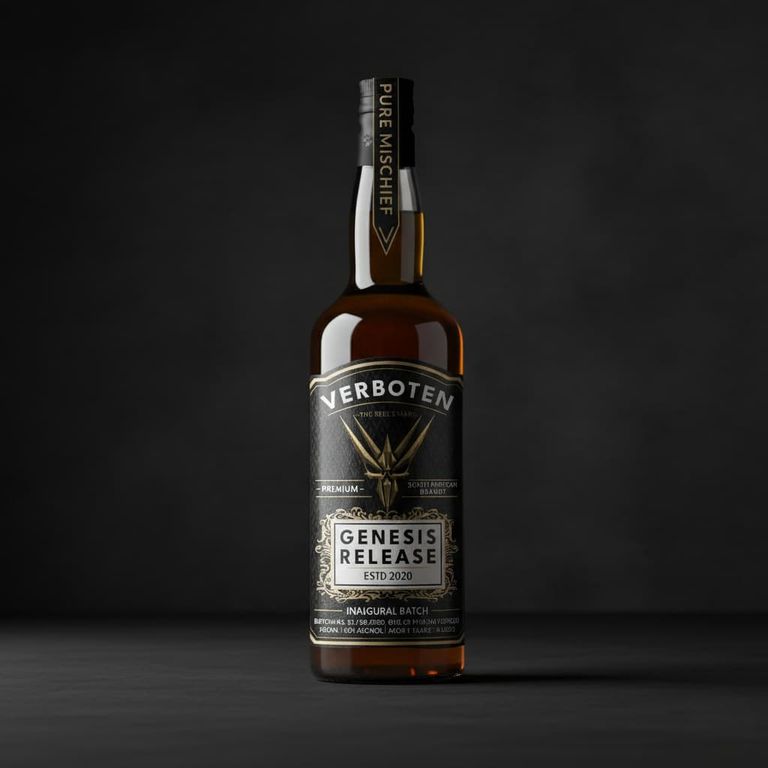
Verboten Premium Brandy
A three year South African brandy, finished in French oak casks. Born in Pretoria, made for the world.
R450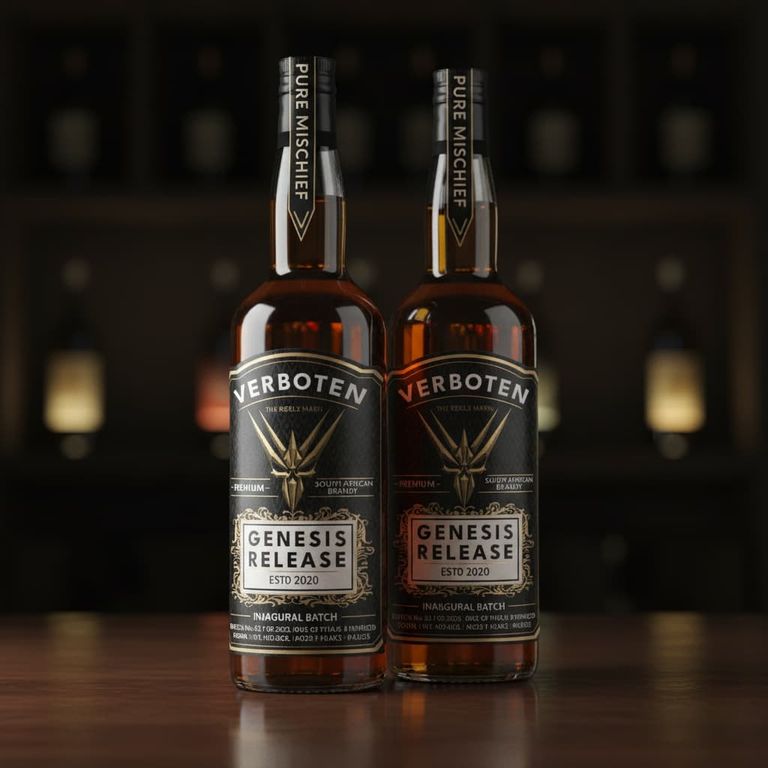
Verboten Premium Set, 2 Bottles
Two bottles of Verboten Premium Brandy for R850, fifty rand under buying them one at a time.
R850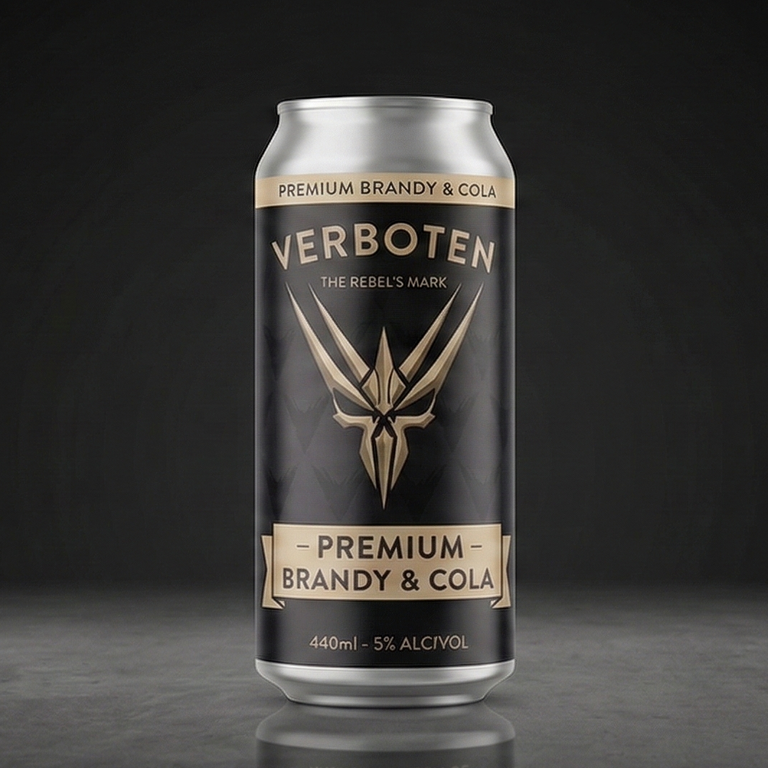
Verboten Brandy & Cola
The same spirit with its collar loosened, pre-mixed in a 440ml can. Cold, easy, and unmistakably South African.
R45